The First Workout Week for Newly Engaged Couples Starting From Zero
Shared workouts help newly engaged couples build lasting fitness habits and stronger relationships.

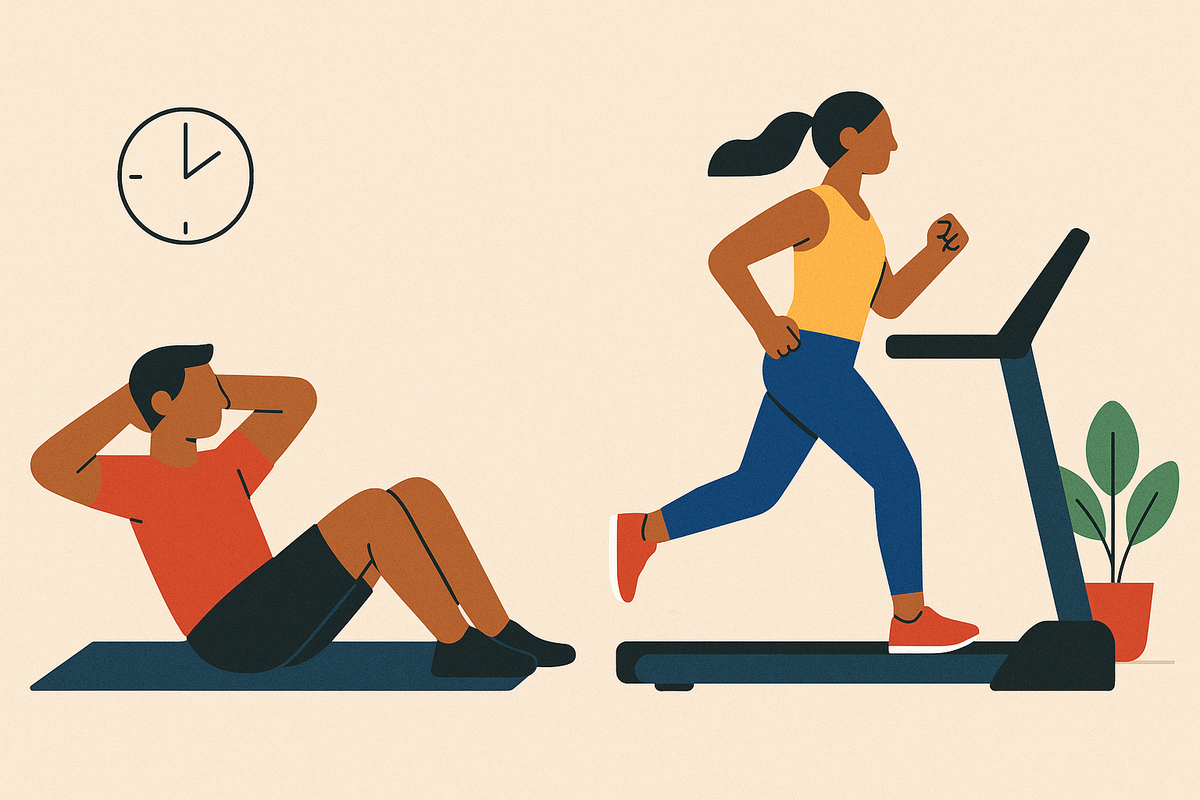
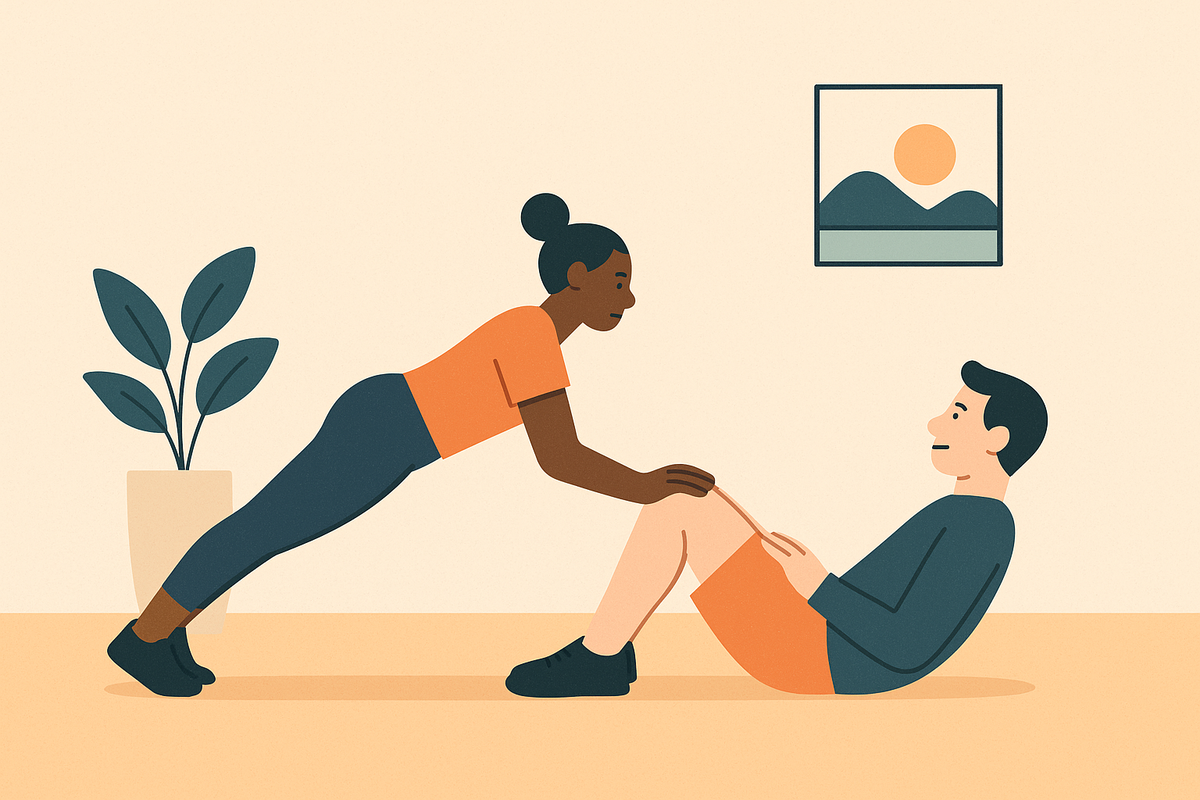
For newly engaged couples starting from zero, a workout plan before the wedding should begin with three easy sessions, a shared photo check-in, and a small celebration at the end of the week. The first workout week is about making exercise something both partners want to repeat.
Why engagement is an unusually good moment to start a shared fitness habit
Engagement brings a shared identity, a shared future, and a reason to make plans into the same conversation. You are already thinking about what life together will look like, which gives a new routine a natural place to fit. Exercise can become one of those plans rather than another personal project competing for time. The timing gives you something useful to work with. Unlike choosing napkins, this decision can keep paying off after the wedding.
That interest in moving together is not confined to wedding preparation. Harlow Leisurezone’s analysis of searches including “couples’ fitness” and “couples in the gym” between January 2022 and January 2025 found sustained growth in partner-led workouts beyond the COVID era. A 2026 study published in Family Relations, led by Ashlyn Mildenhall and co-authored by BYU School of Family Life professor Jeremy Yorgason, drew on data from 1,693 young married couples. Couples who exercised together said they talked to each other better, worked through disagreements better, and felt less stress in their marriage than couples who did not exercise together.
The BYU study found that doing better as a couple was more closely linked to exercising together than to exercising alone. These were associations. Trainers are not qualified marriage referees, and neither are trainers’ shoes. Still, the findings give couples a reason to value the time together rather than judge a session only by its physical demands. Starting now can support not just the fitness you want, but the relationship you are building.
Why the first week decides whether there is a second week
The opportunity engagement creates does not remove the awkwardness of being a beginner. A large share of people who start an exercise program stop within the first few months, with beginners tending to drop out earliest. Often, the problem is less a dramatic decision to quit than a first week that never becomes a second. Nothing officially ends. The next session simply never happens. The first week can shape whether people keep going, so it needs more care than a throwaway warmup.
Habit researcher Phillippa Lally’s work at UCL found that it takes far longer to form a new habit than the quick-fix timeline people often quote suggests. So one week is too soon for exercise to become automatic behavior. You are still deciding when to exercise, whether it fits, and what it feels like to do this together. It is supposed to require some thought. Expecting the routine to run itself already is like asking the engagement announcement to handle the seating plan.
For a couple starting from zero, showing up needs to matter more than how much they can do. Early workouts that feel aversive or humiliating work against the positive association needed for a lasting habit, even when every session gets done. A week that leaves both partners wanting to come back has done something a harder week may fail to do.
That shifts the question from how impressive the week looks to how it feels. A shared session should not become a test of who is fitter, tougher, or more committed to the wedding. There is enough room for comparison in wedding planning already. The useful emotional association is that exercise means a manageable effort and some good time together.
How social accountability works differently for couples than for individuals
Couples have an advantage at precisely this fragile stage. A private intention is easy to renegotiate when work runs late or motivation disappears. A commitment someone you care about is expecting has a different pull, because showing up is also an act of follow-through toward them. Research on partner exercise retention found that couples stayed active at a substantially higher rate than solo exercisers over 12 months. The difference points to structural support.
That support works in three connected ways. First, accountability without pressure makes a missed session feel different because it was a shared commitment. Second, effort contagion means that watching a partner push through a hard moment can make the same effort feel easier to the person watching. Third, repetition starts to form a shared identity, so exercising together becomes part of how the couple understands itself. The plan gradually gains a place in the relationship rather than remaining two separate goals that happen to overlap.
But accountability can turn into something much less helpful. A partner who feels watched for mistakes, questioned about effort, or judged for their body may experience a check-in as pressure. That risk deserves particular attention when either person feels self-conscious about fitness. Being engaged does not make scrutiny feel supportive. Calling it motivation does not change how it feels, either.
A supportive check-in recognizes that a partner made room for the shared commitment, without demanding that their effort match yours. This protects the relationship while giving the habit a reason to continue. Making effort visible can help, provided the visibility feels like being noticed.
What a photo check-in does that a performance tracker cannot
SweatCam gives that visibility a simple form through photo check-ins that couples can share and review. The useful week-one record is a picture of having shown up. This changes what gets attention. Instead of asking whether both partners achieved the same result, the check-in marks their participation in the same commitment. It turns an otherwise private effort into something the other person can see.
The distinction is especially useful when one partner has more exercise experience. Identical tracking metrics can make the gap between them look like the main story, even when both have worked at an appropriate level. Neither person needs to win the workout. The shared record can acknowledge an easier session and a more demanding one without turning the difference into a ranking.
One user described seeing a partner’s morning gym photo during the day as “another way to check in without it being like a whole conversation”. That is a modest benefit, and a useful one for busy people. The photo creates a brief moment of connection without requiring a full exchange in the middle of the day. A streak records the return. The relationship gives the return its good feeling.
There is a reasonable hesitation about gym etiquette, though. Taking photos where others exercise could make this first week harder than it needs to be if either partner feels uncomfortable doing it. The check-in’s value depends on feeling like connection. At its best, it is a tiny moment of being seen by someone whose attention you welcome.
How to structure the first week so it actually builds the habit
To put those principles into practice, design the first week around making it easy to show up. Three sessions is a defensible starting target for a couple beginning from zero. It leaves room for recovery days, reducing injury and burnout risk, while offering enough repetition to start a weekly rhythm. It also gives the photo ritual a clear shape. Three photos in seven days is a visible, achievable beginning.
A sample week could consist of a walk, a short bodyweight circuit, and a beginner yoga session at home, with recovery days between sessions. A week built around walks is also consistent with the aim of keeping the barrier to entry low. The BYU study found walking was the most commonly reported shared exercise among its couples. It costs nothing and leaves plenty of room for the conversation linked to the relationship benefits of shared activity.
Before the week begins, agree on how many days you will both show up. The target needs to be a promise both people willingly make, rather than an ambitious number one partner negotiates the other into accepting. Attach a light, playful wager if it makes missing the goal mildly inconvenient. Keep the emotional stakes small. The wager should give someone a little more reason to stick to the plan while leaving them at ease about admitting they missed a session.
When fitness levels differ, keep the ritual shared and the intensity individually appropriate. Both partners can work at their own level and still share the SweatCam post, because the common ground is commitment. A plan that lets the more experienced partner exercise appropriately without making the beginner feel behind gives both a place in the routine.
The week also needs to fit around work. Choose the activity and shared goal for their likelihood of fitting your lives. A walk that leaves room to talk can be a better choice if another workout feels like one more demanding appointment. The practical test is simple enough to use before the first session. Can both people picture showing up, taking part without embarrassment, and wanting to do it again?
How to close week one in a way that makes week two feel inevitable
The final session is not quite the end of the first week. The couple still needs to acknowledge what happened, so that showing up registers as a win rather than immediately becoming the minimum expected standard. A small, deliberate celebration does that work without making the week sound grander than it was. You kept a small promise to each other.
Review the SweatCam feed together as part of that acknowledgment. The separate check-ins become a visible record of shared effort, giving you something concrete to look back on. A shared meal or a casual conversation about what felt good can accompany it. The celebration need not be elaborate to be deliberate. Its purpose is to recognize participation.
Then plan week two before the good feeling fades. Agree on a specific session time, keep the same shared goal, and retain the same light wager. The habit is still fragile, with the danger zone of weeks three through eight ahead, so a successful start is not a reason to abandon the structure. Good intentions do not reserve time in a calendar. A couple with an agreed next session has something firmer to return to than a couple hoping motivation will make the arrangements.
Looking and feeling your best can be a reason to begin, without making every workout a verdict on your readiness for the day. The longer possibility is a routine that creates small, consistent moments of togetherness well beyond it. The workout is the vehicle. The couple is the point.