How Couples Can Set Fitness Goals When One Partner Has an Injury
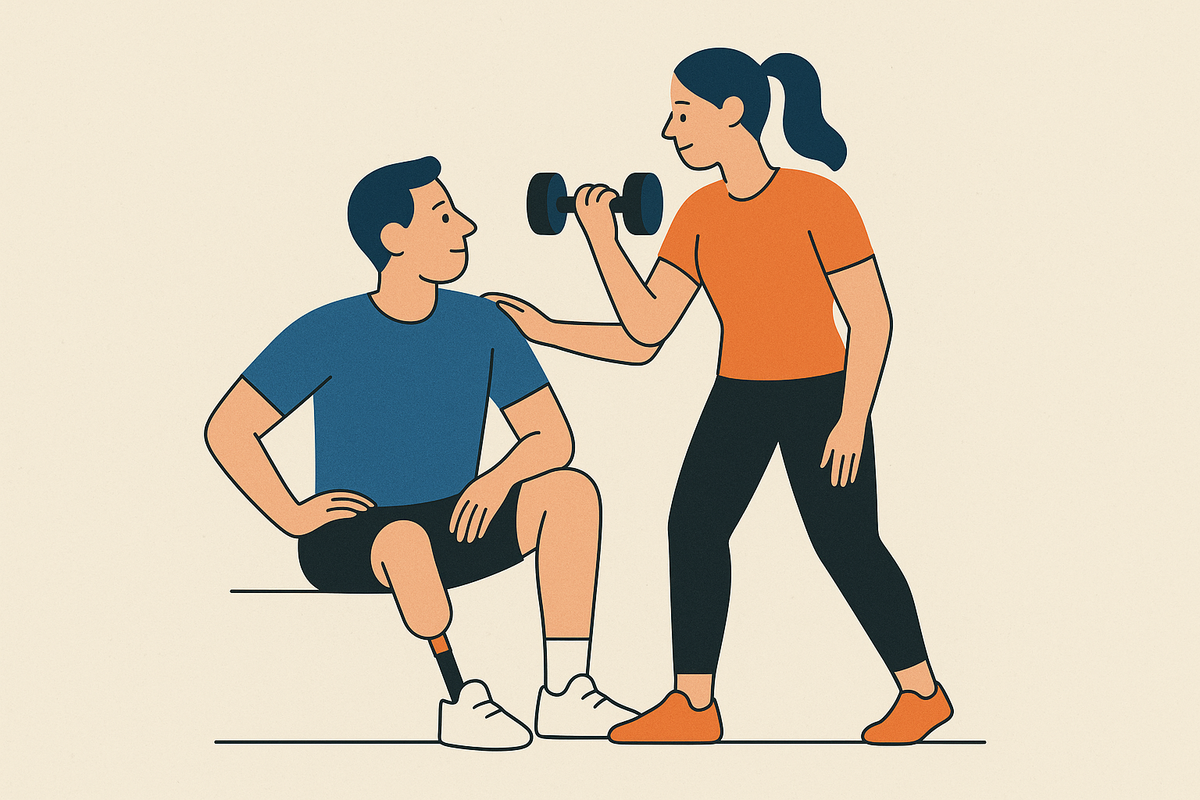
Adapt your routine together instead of splitting solo when injury strikes.
Dara Okonkwo
Couples training together build fitness and relationship satisfaction simultaneously.
Adapt your routine together instead of splitting solo when injury strikes.
Sharing fitness goals with a partner boosts success odds to ninety-five percent.
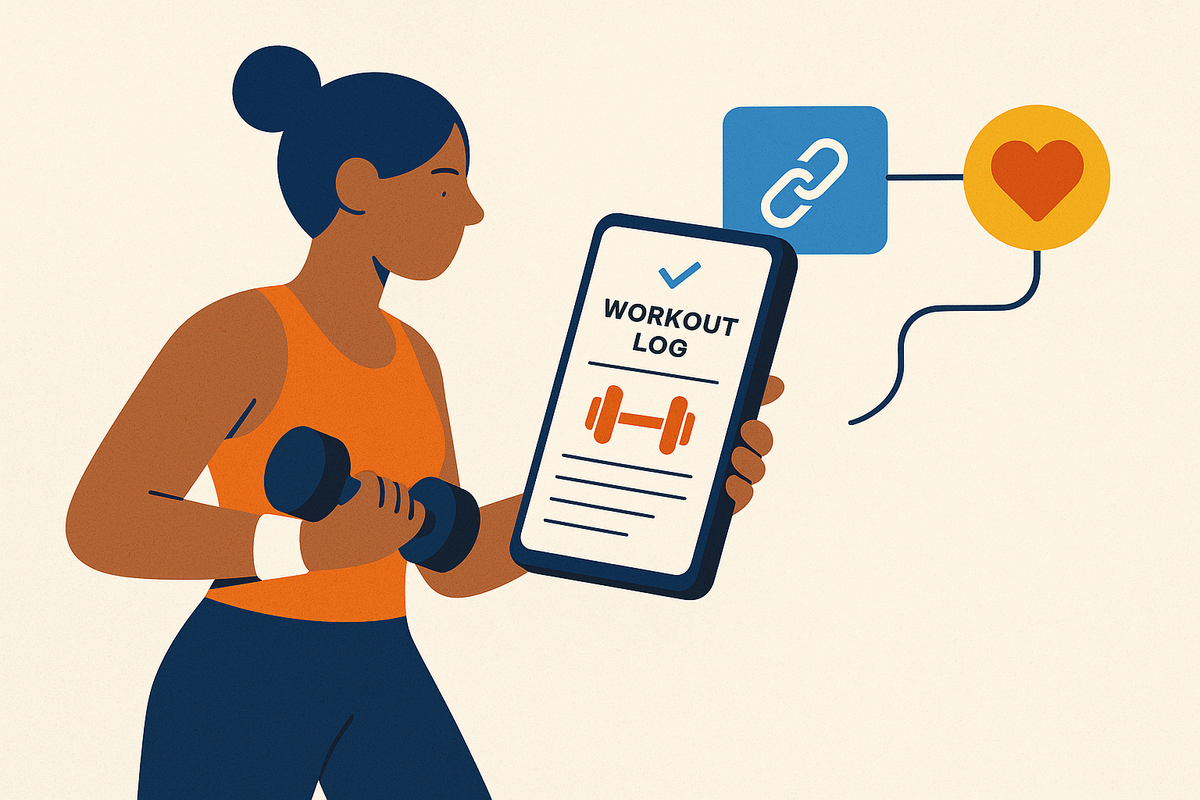
Accountability matters more than technology for couples tracking fitness progress together.
Emotional support from a partner beats performance metrics for building lasting workout habits.
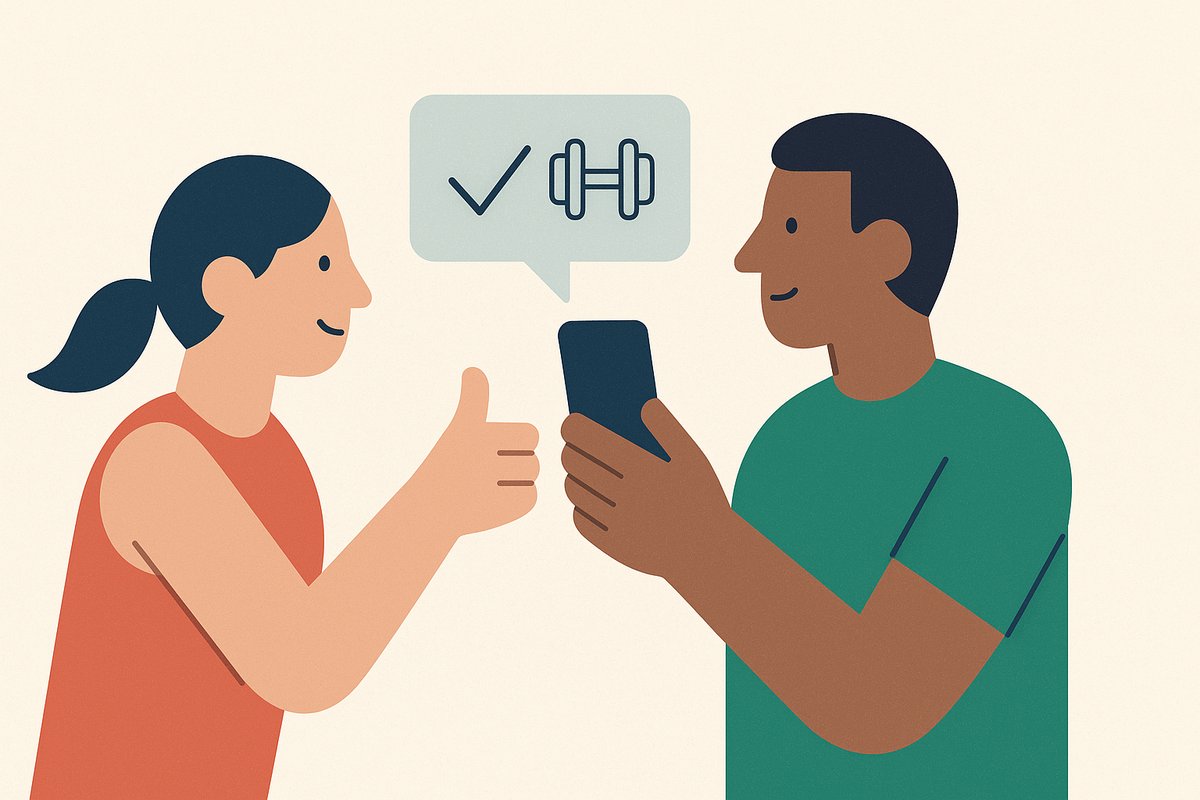
Visibility between partners drives workout consistency far more than willpower alone.
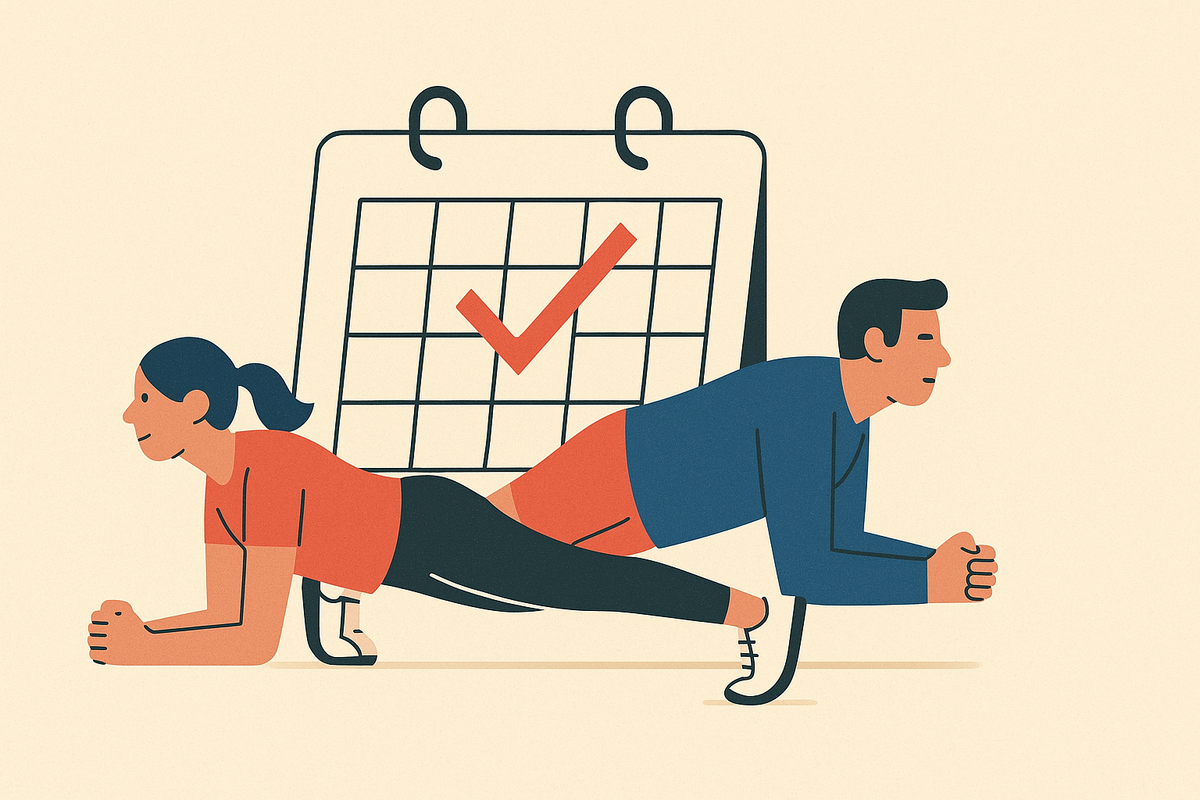
Partners who exercise together stick with it far longer than those going solo.
Support or competition: which design philosophy actually keeps couples motivated.
Couples who exercise together quit at 6%, while solo exercisers quit at 42%.
Couples fitness apps fail when they rank partners instead of tracking shared progress.
Social accountability—not tactics—is what keeps travelers exercising on the road.
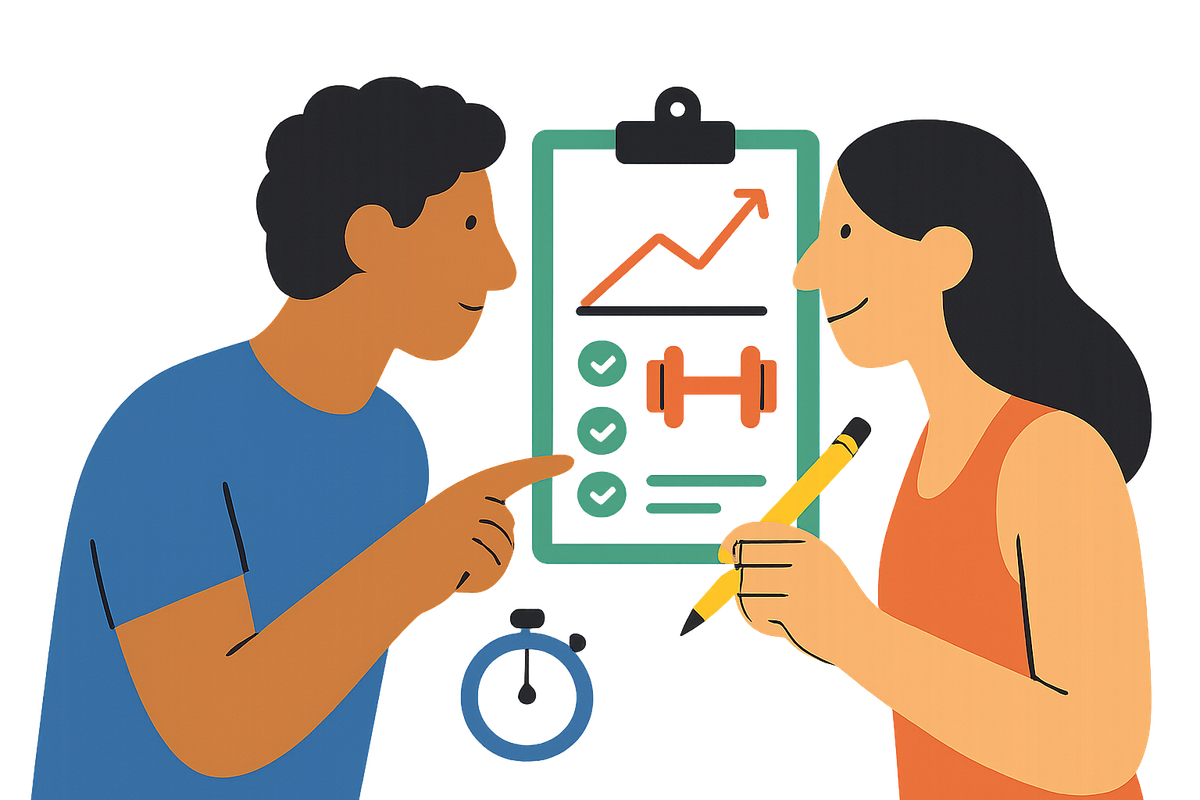
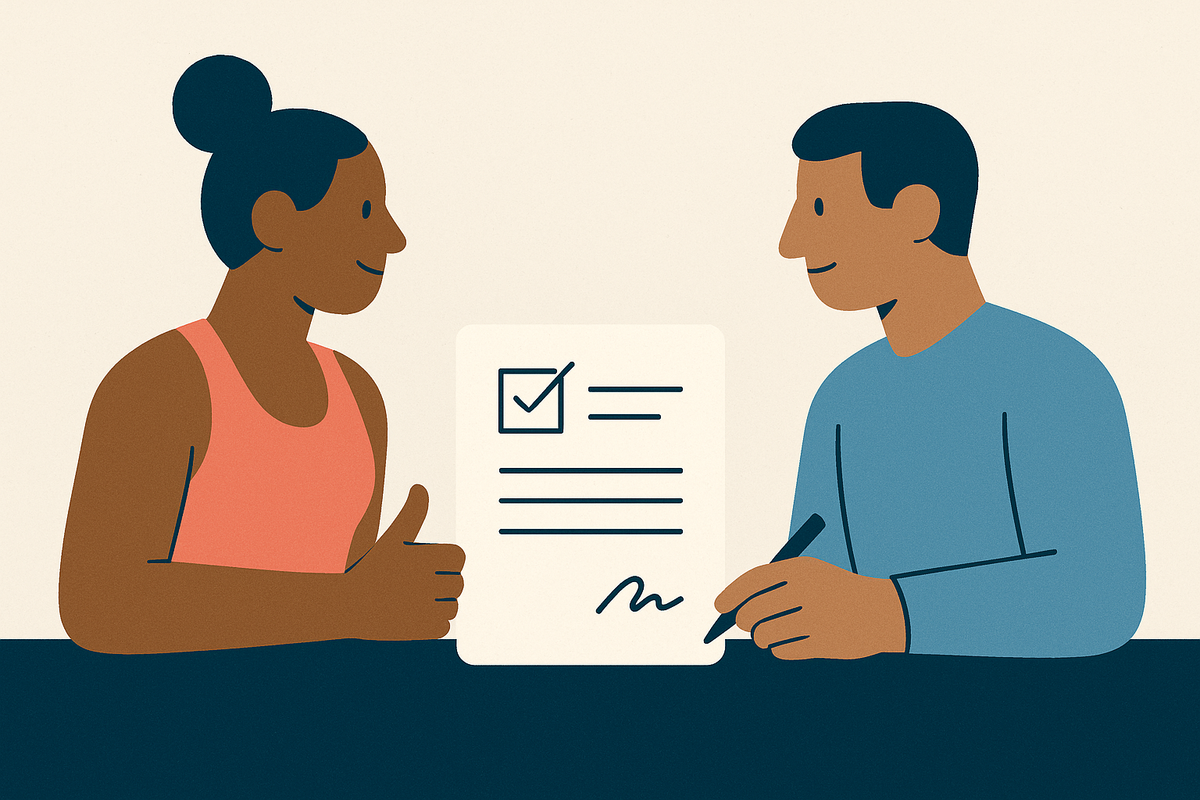
Written agreements turn vague fitness promises into measurable commitments.